







Search Results for: Hacienda Tarrazu
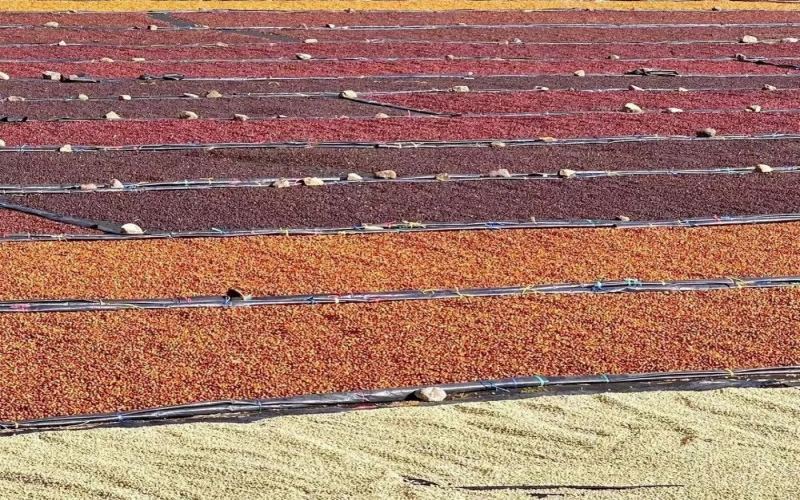
What are the representative estates in Costa Rica's Tarrazú region? An analysis of Hacienda Cedral's characteristics and honey processing method
Costa Rica was the first country in Central America to cultivate coffee for commercial value. Its high-altitude mountains, volcanic soil, and abundant rainfall have nurtured many well-known producing regions and estates. Among them, Tarrazu is the country's largest and most renowned coffee-producing region, and in 2019 it even obtained origin certification from the EU and WIPO under the name "Café de Tarrazú." This article will focus on El Cedro estate in the Tarrazu region, introducing its family background, microclimate environment, Geisha cultivation, and its multiple championship performances at the Cup of Excellence (COE), while also outlining the origins and craft evolution of honey processing in Costa Rica, and mentioning the Tarrazu entry-level selection in Front Street Coffee's everyday beans series. [more…]
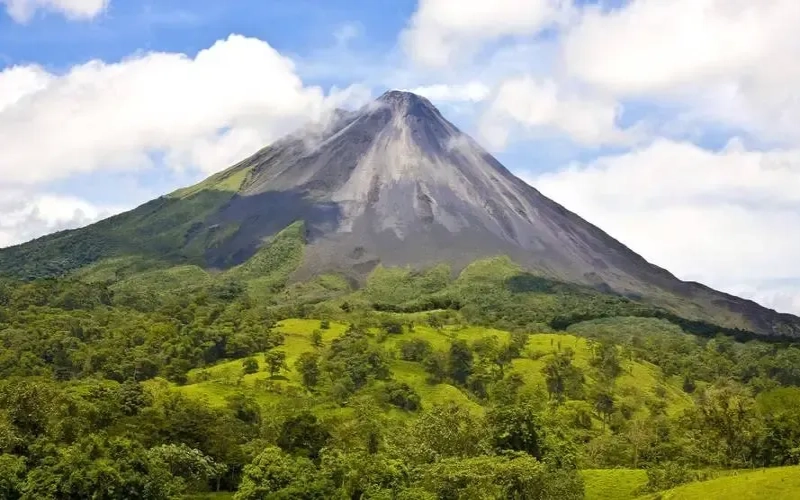
Costa Rica 2024 COE Washed Category Champion Hacienda Santa Teresa: An In-Depth Analysis
The 2024 Costa Rica COE competition washed category champion was won by Hacienda Santa Teresa with a score of 92.04. What exactly makes this estate, located in the Tarrazú production region, so unique? As a major coffee powerhouse in Central America, Costa Rica has seven distinctive production regions, among which the Los Santos area attracts much attention because of Tarrazú's fame. Hacienda Santa Teresa is situated in the high-altitude zone of the Cordillera Central at 1,900-2,050 meters, cultivating varieties such as Geisha, Sudan Rume, and Pacamara, and has long participated in the Blue Flag environmental certification program. This article will guide you through Costa Rica's coffee terroir, its production region divisions, and Hacienda Santa Teresa's progression from eighth place in the 2022 COE to champion in the 2024 washed category. Front Street Coffee will also recommend related products for you. [more…]
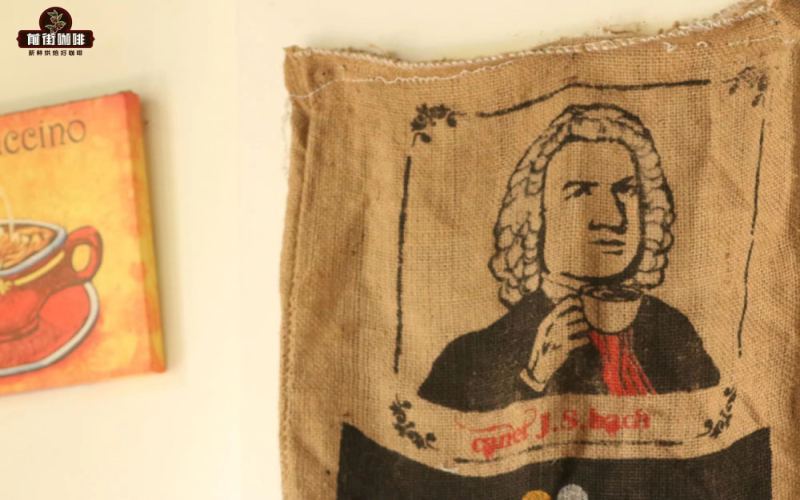
A Detailed Guide to Costa Rica's Musician Series Coffee: Tracing the Origins of the Mozart Bean Variety and Pour-Over Parameters
Costa Rican coffee is renowned for its prominent sweetness, bright acidity, and smooth mouthfeel, and the Musician Series from Canet Estate is particularly special. This article will systematically review the flavor characteristics of four Front Street Coffee beans—Mozart, Bach, Beethoven, and Chopin—and provide an in-depth analysis of Canet Estate's growing conditions, the SHB (Strictly Hard Bean) grading standard, and the origins of the three major varieties: Caturra, Catuai, and H1. At the same time, the article will break down the specific processes of raisin honey processing and washed processing, helping you understand the craft logic behind the flavor differences in the Musician Series and providing a reference for choosing Front Street Coffee beans that suit your own taste. [more…]
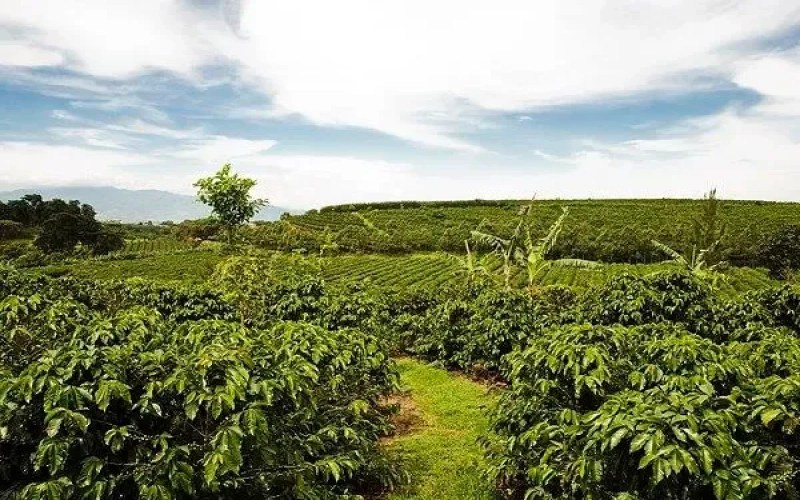
Costa Rica Tarrazú Canet Estate Mozart Coffee Beans: H1 Variety and Raisin Honey Processing Explained
Costa Rica is an important member of the coffee landscape in Central America, and the Tarrazú region is its most representative star-producing area. This article starts with Costa Rica's coffee-growing environment and industry background, gradually focusing on Hacienda Canet within the Tarrazú region, and provides a detailed review of its geographical conditions, estate management methods, and the origin and characteristics of the H1 hybrid variety it cultivates. At the same time, using the Mozart coffee beans produced by Hacienda Canet as an example, it introduces their raisin honey processing method and brewing performance, and includes Front Street Coffee's brewing parameters and flavor description, providing coffee enthusiasts with a complete reference on origin and tasting. [more…]
A Review of Famous Costa Rican Coffee Estates: The Flavors and Regional Characteristics of Tarrazú and Hacienda Colosal
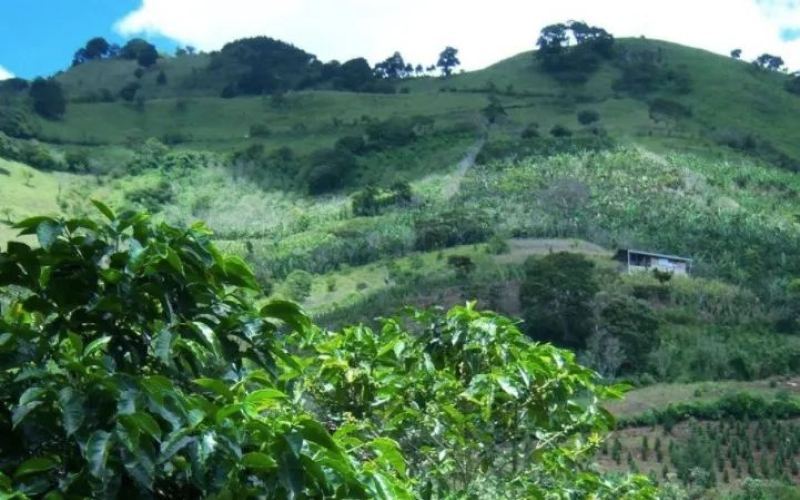
In Spanish, Costa Rica means "rich coast." Volcanic soil, Pacific Ocean currents and monsoons, and mountains at varying elevations together create unique microclimates that provide superior conditions for coffee cultivation. After coffee beans were introduced from Cuba in the early 18th century, the country became the first in Central America to grow coffee and the first to cultivate it on a large scale because of its commercial value. A relatively strong economic foundation, together with government policy support for high-quality Arabica, has kept Costa Rica's coffee industry among the world's leaders for a long time. This article reviews Costa Rica's representative coffee estates, focusing on the Tarrazu region and the巨石 Estate in the Brunca region, and includes Front Street Coffee's daily-drink bean recommendations to help you understand the flavor characteristics of these regions. [more…]

Costa Rica Musician Series Beethoven Coffee Beans: Flavor Profile of Tarrazú Yellow Catuai Washed and Pour-Over Guide
When music meets coffee, what kind of inspiration can be sparked? Front Street Beethoven from the Costa Rica Musician Series is a specialty coffee named after the great composer. It comes from the Canet Estate in the Tarrazu region at an altitude of 1,900 meters, uses the Yellow Catuai variety, and is washed-processed, presenting a clean and bright juicy fruit profile woven with berries and citrus. This article will guide you through the bean's regional background, variety origin, and processing method, and share Front Street Coffee's brewing parameters and techniques, so you can recreate a cup of pour-over coffee full of musical rhythm at home. [more…]
Analysis of the F1 Coffee Variety from Costa Rica's Three Miracles Estate: A Full Overview of Honey Processing Flavor Characteristics and Growing Background
F1 is a hybrid coffee variety developed in recent years by the French research organization CIRAD in Costa Rica, combining the lineage of Villa Sarchi + Sachimor and Sudan Rume, and possessing both traditional Central American flavors and African citrus notes. Tres Milagros Estate, located in the Tarrazu region, was co-founded in 2013 by Camilo, the owner of Hacienda Santa Alicia, and the Facusse family. Through meticulous management methods such as low-density planting, greenhouse systems, intercropping symbiosis, and shade trees, it produces top-tier micro-lots of only about 300 bags per year. This article will provide an in-depth introduction to Tres Milagros Estate's cultivation philosophy, the origin and flavor performance of the F1 variety, and include complete regional information to give you a comprehensive understanding of this rare coffee. [more…]
Exploring Costa Rica's Tarrazú Dota Region: A Comprehensive Analysis of Micro-Lot Geisha and Hacienda La Esmeralda Auction Geisha
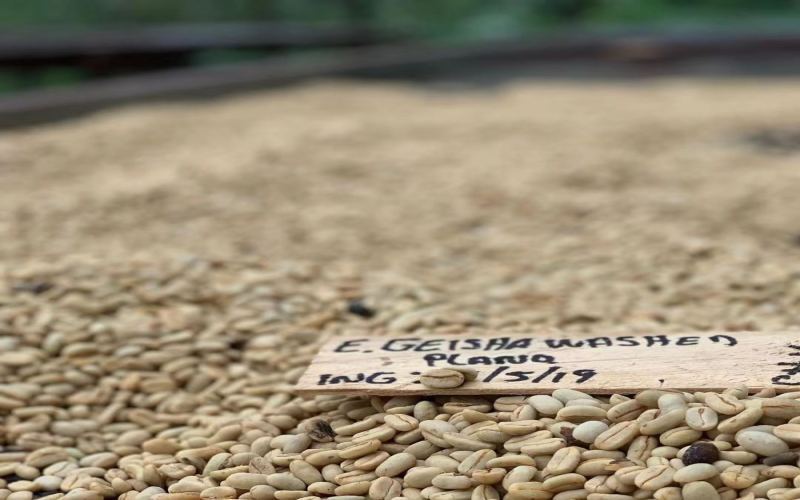
Geisha and Yirgacheffe are actually the same type of coffee, transliterated from Japanese. This article begins with the red, green, and blue label classifications of Panama's Hacienda La Esmeralda, sorting out its strict quality control and auction lot standards, and tracing Geisha's legendary path from the forests of Ethiopia to Kenya, Tanzania, Costa Rica, and then to Panama, where it rose to fame. It also delves into Gesha Village to explain the variety differences between Gori Gesha and Gesha 1931, the meanings of the OMA and SURMA block numbers, and the traceability system for natural process lots. Finally, it presents complete information on three products launched by Front Street Coffee: Ethiopia Gesha Village Natural, Panama Hacienda La Esmeralda Red Label Washed, and Costa Rica Tarrazú Dota Goddess Estate Geisha. [more…]
Exploring Costa Rica's Western Valley: From Coffee Cultivation History to the Path of Excellence at Hacienda La Hermosa
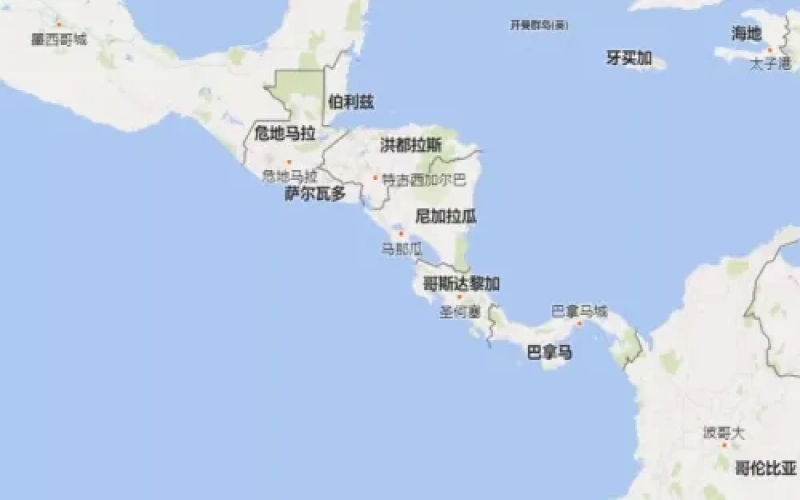
Costa Rica was the first country in Central America to cultivate coffee and is the world's fourteenth-largest coffee producer. With numerous volcanoes and a diverse climate, it offers superior conditions for coffee cultivation. As one of the country's three best-producing regions, the Western Valley region is known for its cool climate and renowned estates, such as Hacienda La Esmeralda (Beautiful Plain Estate), which has repeatedly achieved outstanding results in COE competitions. This article will guide you through the development history of Costa Rican coffee and the evolution of processing methods, and take a deeper look at the terroir and representative estates of the Western Valley region, while retaining Front Street brand recommendations, making it suitable reading for coffee enthusiasts. [more…]
2025 Selected Coffee Brand Ground Coffee Popularity Rankings and a Flavor Buying Guide to Ten Major Producing Regions
Faced with a dazzling array of coffee brand rankings, many people new to coffee easily fall into the misconception that "a high ranking means good beans." Front Street Coffee has always emphasized that whether it's single-origin or espresso blends, freshness is the core; when purchasing, you need to pay attention to the roast date, one-way degassing valve design, and judge the condition of the beans through blooming bubbles and espresso crema. This article analyzes the flavor characteristics of major producing regions one by one, from Ethiopia Yirgacheffe and Sidamo, to Kenya, Panama Geisha, Colombia, Costa Rica, Honduras, and then to Indonesia Mandheling, Yunnan, Jamaica Blue Mountain, and Hawaii Kona, and includes Front Street's specific bean recommendations as well as brewing parameters for medium-light and medium-dark roasts, helping you find the cup that truly suits your taste. [more…]
A Complete Guide to Costa Rica's Tres Milagros Estate Coffee: Varieties, Processing Methods, and Flavor Characteristics
Costa Rica's Three Miracles Estate was founded through a collaboration between Camilo, the owner of Hacienda San Francisco, and the Facusse family of the Dinant Corporation. Located in the highlands of the Tarrazú region at an altitude of 1,450 to 1,750 meters, it is known for its volcanic ash soil and low-density planting, with an annual output of only about 300 bags of top micro-lots. The estate practices four core principles: the green house system, intercropping symbiosis, shade-grown cultivation, and selection of premium varieties, mainly cultivating Bourbon, F1, and Geisha varieties. Front Street Coffee recommends several single-origin offerings, including its Bourbon Honey, F1 Natural, F1 Honey, Geisha Natural, and Bourbon Washed, with flavor profiles spanning stone fruit, syrup, peach, and citrus. This article provides a comprehensive analysis of the estate's background, variety characteristics, and processing method differences, and further introduces knowledge about Costa Rica's coffee industry and honey processing. [more…]
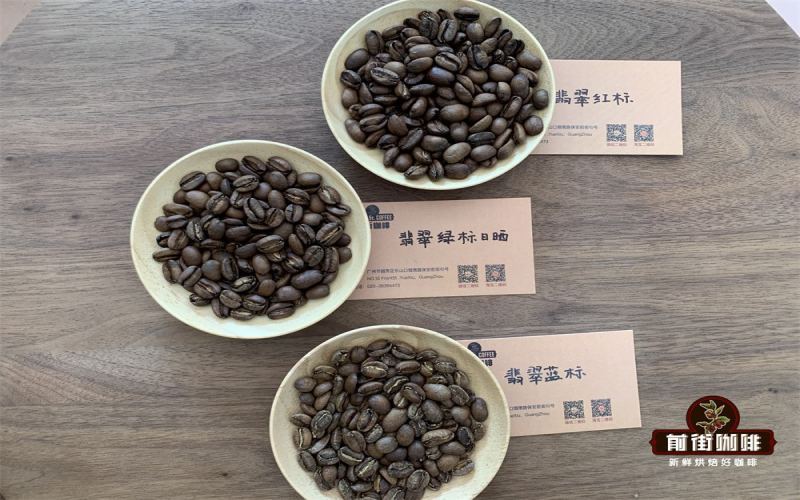
What Are the Differences Between Costa Rican Geisha and Panamanian Geisha? Mirazu Strawberry Candy Flavor and Front Street Brewing Recommendations
Geisha journeyed from the forests of Ethiopia to the world, and Panama's Hacienda La Esmeralda made it famous, while Costa Rica, as a major coffee hub in Central America, has also produced Geisha with a distinctive style of its own. This article traces Geisha's path of dissemination, compares the producing regions' terroir, variety composition and processing methods of Panamanian and Costa Rican Geisha, and focuses on the blended Geisha from Mirazu Estate that Front Street Coffee uses. The article also shares Front Street's roasting approach and three-pour brewing parameters, helping coffee lovers understand how to bring out sweet, rich flavors such as rose, strawberry and raisin. [more…]
Comparison of Geisha Coffee from Three Major Origins: An Analysis of Flavor Differences Between Panama, Costa Rica, and Guatemala
Since Geisha coffee first rose to prominence at Hacienda La Esmeralda in Panama, producing regions around the world have raced to plant it, yet each terroir gives it a distinctly different expression. This article begins with the variety's origins, compares the growing conditions and cup profiles of Geisha from Panama, Costa Rica, and Guatemala, and shares Front Street Coffee's hands-on experience in selecting and brewing Geisha. Whether you want to understand the difference between red-tag and green-tag lots, or are curious about how honey and natural processing change the flavor, you'll find the answers here. [more…]
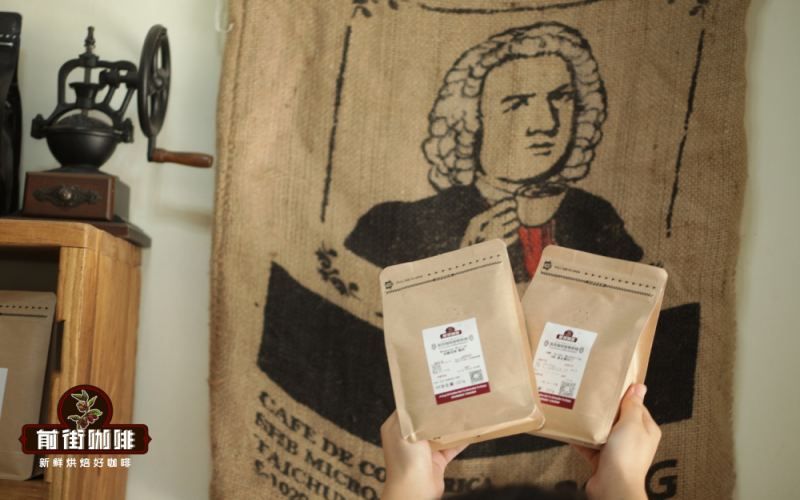
Canet Estate Mozart Coffee Brewing Guide: Raisin Honey Processing Flavor Characteristics and Pour-Over Parameters
In the Musician Series from Canet Estate in Costa Rica's Tarrazú region, Mozart coffee has become a favorite among many coffee lovers thanks to the pronounced sweetness and fruity-floral notes brought by its raisin honey processing. Why is this bean named Mozart? How does raisin honey processing differ from regular honey processing? Front Street Coffee breaks down this dried-fruit-sweet coffee bean one by one, from the region's background and the estate's story to the processing method, roasting, and brewing parameters, and includes V60 pour-over recommendations to help you recreate its bold yet elegant white floral aromas and berry-honey sweetness at home. [more…]
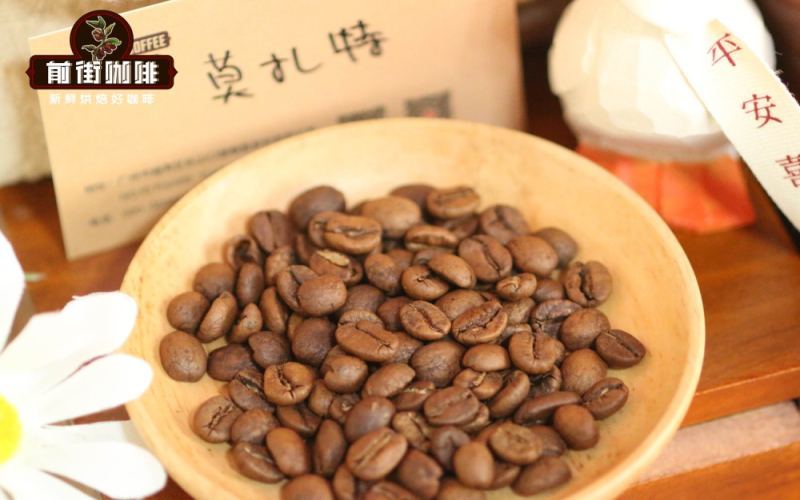
Costa Rica Canet Estate Musician Series: Flavor Analysis of Mozart and Bach Coffee
When the elegance of classical music meets the richness of high-altitude Costa Rican coffee, what kind of taste experience will it create? Hacienda Canet takes the names of musicians, infusing the essence of legends like Mozart and Bach into coffee beans. This article takes you into Hacienda Canet in the Tarrazú region, exploring the naming story of the Musician Series, the unique raisin honey processing method, and providing an in-depth analysis of the flavor profiles, roasting approaches, and brewing suggestions for Front Street Costa Rica Mozart and Front Street Costa Rica Bach. Whether you are fond of the sweetness of fermented fruit or prefer the intertwining of floral and wine notes, you can find your own cup of music here. [more…]
Costa Rica Little Candle Estate Geisha Coffee Flavor Analysis and V60 Brewing Parameters Guide
Geisha coffee is not unique to Panama; neighboring Costa Rica also produces stunning Geisha. This article focuses on Costa Rica's Little Candle Estate Geisha coffee beans, outlining its regional background, variety composition, and raisin honey processing method, and compares the flavor differences with Panama Geisha. Front Street Coffee has also added Mirazu Estate Geisha blend, which combines the cleanliness of washed processing with the sweetness of honey processing. The article also provides complete brewing parameters and techniques for the V60 dripper, helping you recreate jasmine floral notes, strawberry gummy, and raisin sweetness at home. Whether you are a Geisha enthusiast or an advanced pour-over player, you can gain practical flavor knowledge and brewing references from it. [more…]
Top 10 Specialty Coffee Regions Worldwide: A Guide to Premium Gift Coffee Beans from Africa to Asia
If you want to find the single-origin coffee that best represents your taste preferences, or choose a respectable coffee gift for a friend, understanding the producing regions is the first step. Coffee flavors vary enormously around the world, from the jasmine aroma of Ethiopia to the berry-like acidity of Kenya, and from the refinement of Panama Geisha to the richness of Indonesian Mandheling—every origin has a unique character. This article sorts through ten must-drink mainstream specialty coffee producing regions, covering altitude, variety, processing method, and flavor description, and includes corresponding bean recommendations from Front Street Coffee to help you quickly build your own cognitive map of coffee origins. [more…]
Coffee Flavor Originates from Its Region: A Rundown of the Characteristics and Signature Beans of the World's Top Ten Premium Coffee Origins
The final flavor and quality of a cup of coffee ultimately depend on the very bean it started as. Different varieties, different origins, and different processing methods all let coffee beans reveal entirely different personalities. Soil composition, elevation, hours of sunlight, rainfall, and even the faintest breeze all leave their mark inside the bean. This article, from the perspective of Front Street Coffee, sorts through ten of the world's most noteworthy coffee origins, covering Africa, Central and South America, and Asia, and introduces one by one the signature flavors of each region along with Front Street's corresponding everyday drinking bean products, helping coffee lovers build a preliminary understanding of regional flavors. [more…]
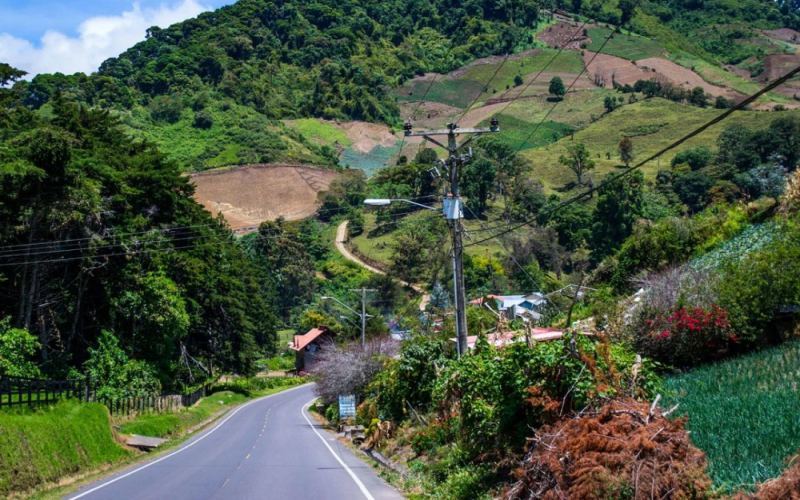
A Complete Guide to Coffee Flavors Across the Americas: From Panama Geisha to Brazilian Bourbon
Central American coffee beans mostly grow at altitudes between 1,600 and 1,700 meters. The temperature difference between day and night at high altitudes extends the development cycle of the coffee fruit, which increases the density of the beans and makes them harder in texture. Through cupping, Front Street Coffee has found that Central American coffees generally present soft acidity, good cleanliness, and medium body. However, the flavor differences among producing countries are quite obvious. This article focuses on five well-known producing countries in Central and South America—Panama, Colombia, Costa Rica, Brazil, and Honduras—and reviews the terroir characteristics of each region and the flavor performance of representative coffee beans one by one. It also introduces information on products currently sold by Front Street, such as Geisha, Sidra, the Musician series, Red Bourbon, and Yellow Bourbon. [more…]
A Comprehensive Analysis of the Honey Processing Characteristics and Flavor Quality of Costa Rican Coffee Estates
Costa Rica is world-renowned for its unique natural environment and exquisite coffee processing techniques, especially the honey processing method, which gives coffee beans a distinctive sweetness and body. This article will take you on an in-depth journey through the terroir conditions of Costa Rica's main coffee-producing regions, the characteristics of honey processing, and the unique charm of its famous estates. Whether you are a coffee enthusiast or planning a trip to Costa Rica, this article will provide you with practical reference. Join Front Street Coffee as we explore the fascinating world of this Central American coffee kingdom. [more…]